

Classical music composition often runs in the family. This July, the Daily Classical Music Post has celebrated some of the well-known and not-so-well-known members of these composing families.
Giuseppe Donizetti – Polonaise ( 1831 )
This month, the DCMP just barely scratched the surface of the topic of classical music composing dynasties. There are so many other families that I could have included, and I didn’t even begin to discuss the film music composition dynasties, musicians who were classically trained and used those skills to enhance the medium of film. I definitely will revisit this topic in the future, as there is so much more to explore!
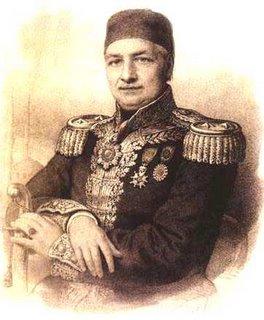
Meanwhile, back to the Donizettis. The music of the Italian Romantic composer Giuseppe Donizetti (1788–1856) was very different from that of his younger brother Gaetano. Giuseppe spent much of his professional life in the Ottoman Empire as Instructor General of the Imperial Ottoman Music at the court of Sultan Mahmud II, where he was known as Donizetti Pasha. However, as Giuseppe published piano and chamber works during the exact same era when his younger brother was becoming an opera star, their music was frequently confused. Several of Giuseppe’s pieces—including his salon dances—circulated across Europe misattributed to Gaetano.
What Giuseppe did do was play a significant role in the introduction of Western European classical music to the Ottoman military. He also taught music at the palace to the members of the Ottoman royal family, and he is believed to have composed the first national anthem of the Ottoman Empire. He introduced and supported the annual Italian opera season in Pera, and he invited eminent Western European virtuosi to Istanbul, including Franz Liszt. He is buried in Istanbul.
Giuseppe’s Polonaise (1831) is a charming, light, and stately instrumental work. At the time, the polonaise was a very fashionable dance in Western Europe. Giuseppe used this piece to bridge European courtly traditions with his Ottoman environment. Structurally, Polonaise employs the traditional, dignified tempo di polacca rhythm with tuneful melodic lines, reflecting the light, melodic aesthetic that was typical in the bel canto era. Giuseppe originally scored the work for wind and brass and therefore Polonaise is regal and march-like. What a fascinating cultural intersection: an Italian composer writing a Polish dance for an Ottoman Sultan.
My classical music post for today is Giuseppe Donizetti: Polonaise.


Leave a Reply