

It’s May, and in the northern hemisphere, that means it’s spring! This May, the Daily Classical Music Post will explore music about May, spring, renewal, rebirth, and reawakening.
Beethoven – Violin Sonata No. 5, Op. 24 (Spring) – Yehudi & Jeremy Menuhin
May is the best of the spring months (I’m a bit partial to this month for several reasons). In many places in the northern hemisphere, flowers begin to bloom, the weather finally warms up, and the days get longer. Western European composers throughout history have loved spring; it gives them an opportunity to write upbeat, optimistic music.
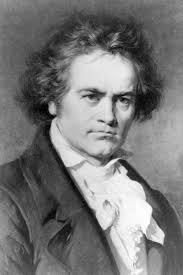
One of my favourite spring works is by the German composer Ludwig van Beethoven (1770–1827). His Violin Sonata No. 5 is known as the “Spring” sonata (Frühlingssonate), although Beethoven didn’t give it that name. He composed the four-movement sonata in 1801, and from the very first notes of the first movement, it is full of joy.
John Henken wrote, “The opening movement is a big, bold sonata form, its gentle first theme contrasting starkly with the dramatic stress of the second. The lyrical Adagio marries variation techniques to song form, and the short, soft Scherzo and Trio is a Haydnesque comic interlude. The Rondo finale sums it all up, matching the harmonic adventures of the first movement, the tuneful grace of the Adagio, and the wit of the scherzo.” Jane Vial Jaffe wrote, “The first movement’s charming main theme, which has endeared the Sonata to millions, points up several notable features, the first of which is the rigorously impartial parceling out of themes and accompaniment between the two instruments—the violin plays the melody first with accompanimental piano figuration, then the roles are reversed, and this trading off occurs throughout the Sonata. . . . Second, the very fact that there is a great deal of accompanimental figuration—for whichever instrument—is also particularly noticeable in this Sonata as compared to Beethoven’s earlier works. And finally, the technical challenges are not overwhelming for the players, which contributes to the easygoing quality.”
My classical music post today is Ludwig van Beethoven: Violin Sonata No. 5, “Spring.”


Leave a Reply