

“Give me your tired, your poor, / Your huddled masses yearning to breathe free.” This poem, which once epitomized the spirit of the United States of America, would appear to no longer be true, with immigrant visa processing for more than 75 countries shut down indefinitely by the current US government. This month, the Daily Classical Music Post will explore and celebrate the traditional and contemporary classical music of 31 of these countries.
The traditional music of Uruguay is so significant, particularly the tango and candombe, that UNESCO has recognized those genres as an Intangible Cultural Heritage of Humanity. Classical music, introduced to the country by Western European colonists, is a rich mix of these and other folk music forms including murga and milonga alongside Western European musical techniques, particularly compositional traditions from Italy, Spain, and Germany.
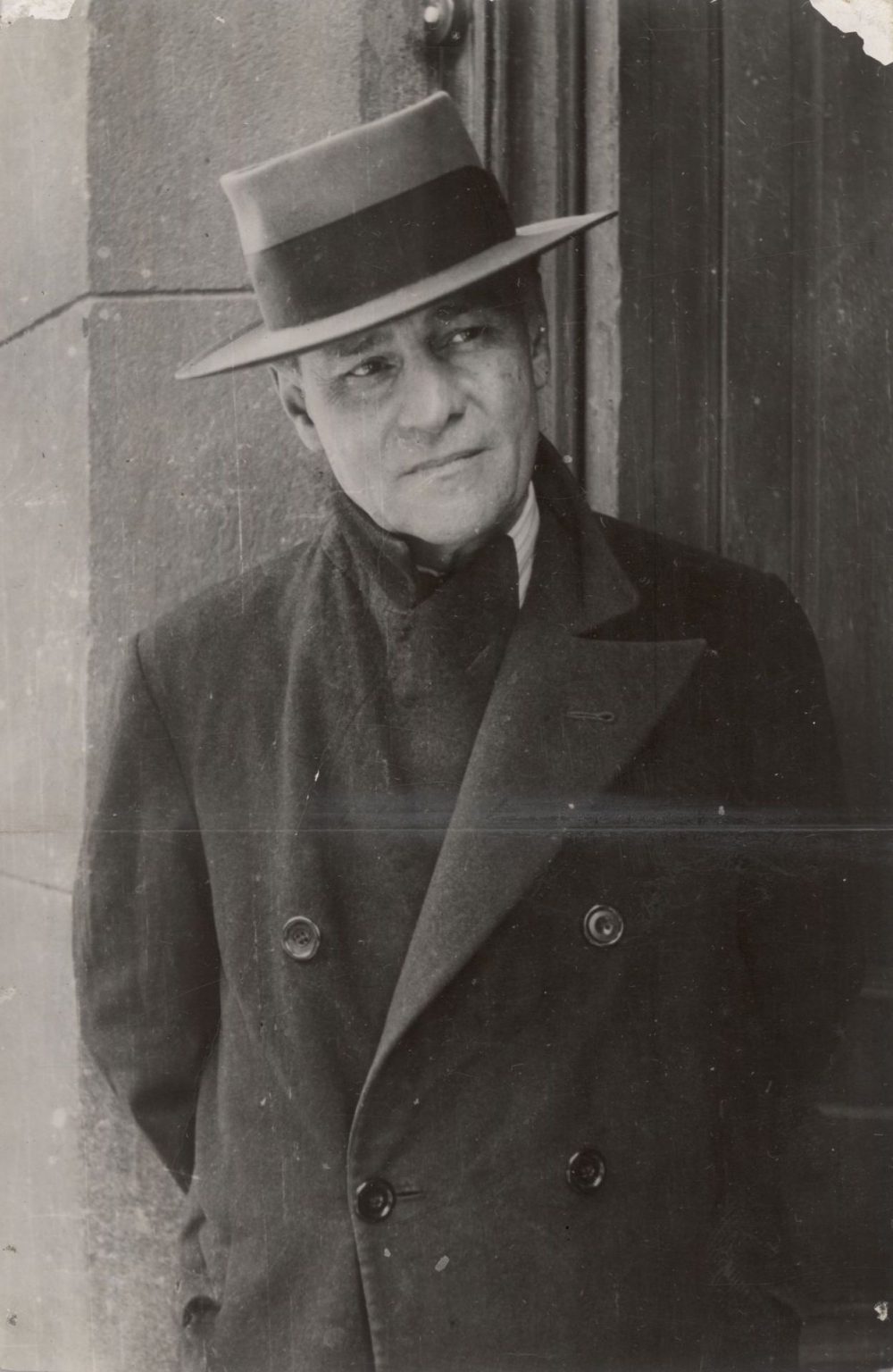
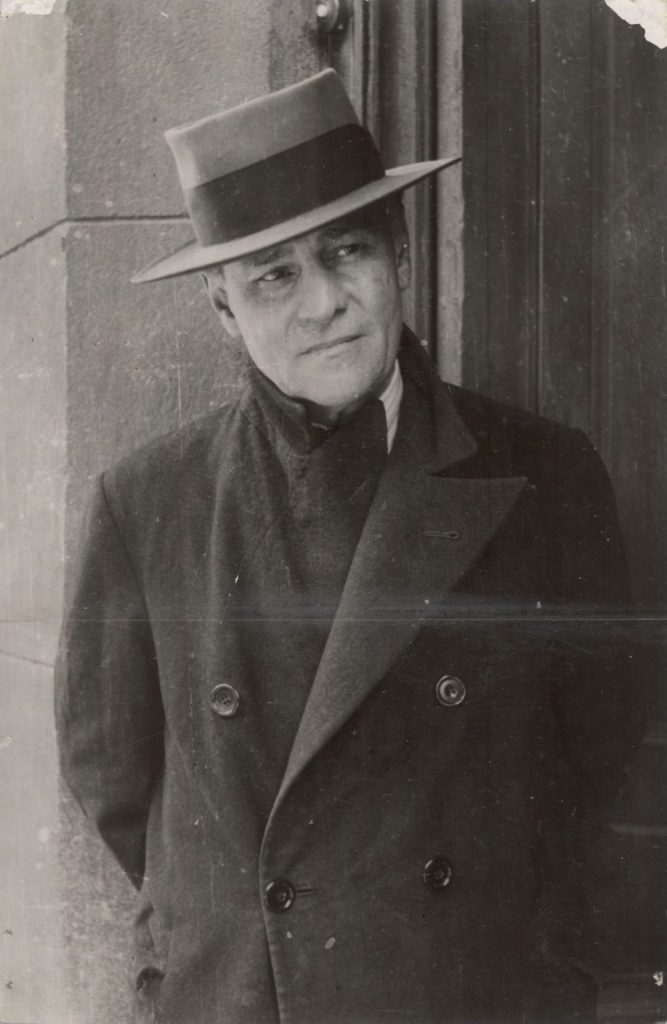
The Uruguayan composer Eduardo Fabini (1882–1950) was recognized for his musical talent from an early age. He studied violin, piano, and composition in Montevideo, and then in Brussels and Vienna. Although he incorporated Western European musical techniques in his works, he always kept in touch with the folk music and stories of Uruguay, creating music that evoked the melodies and rhythms of rural Uruguay. The importance of Fabini’s contributions to Uruguay’s cultural life can be seen in Uruguay’s currency: he has been featured on several banknotes over the years, including the 100 Pesos note, the 1,000 Nuevos Pesos note, and the 100,000 Nuevos Pesos note.
Fabini’s most famous symphonic poem, Campo (1922), is a love song to his country. The piece is a musical depiction of nature in the countryside of Uruguay. The gentle opening evokes visions of gently blowing wind and soon the music portrays birds singing, rolling hills and mountains, and people going about their lives, all to the rhythms and harmonies of traditional Uruguayan folk music. Campo was an immediate success upon its premiere in Montevideo, and it is still one of his most-loved works.
Jorge Alastra wrote about Campo, “Fabini, like others, relied on compositional techniques learned from Europe, the origin of written music and the birthplace of grand structures like the sonata form. But here, Fabini uses those tools to transform them into something else. Fabini breathes the Uruguayan countryside, which is unlike any other. And he puts that into this magnificent piece.”
My classical music post for today is Eduardo Fabini: Campo.


Leave a Reply