

Composers leave works unfinished for many different reasons including untimely death, loss of inspiration, perfectionism, and, in some cases, a feeling that the work is already complete despite being technically incomplete. This February, the Daily Classical Music Post will explore unfinished works and find out the ways in which they are performed today, either still incomplete or finished by other composers.
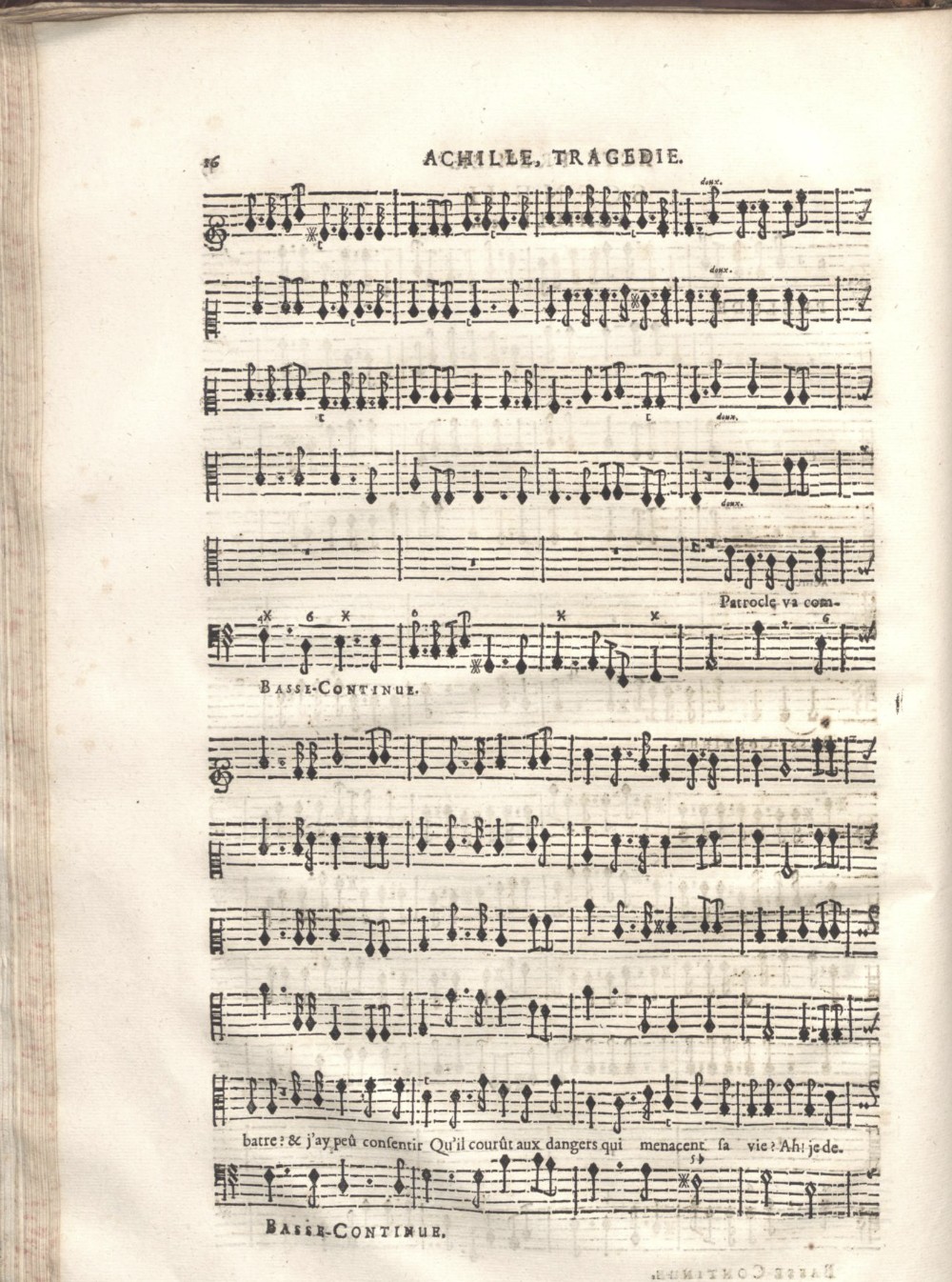
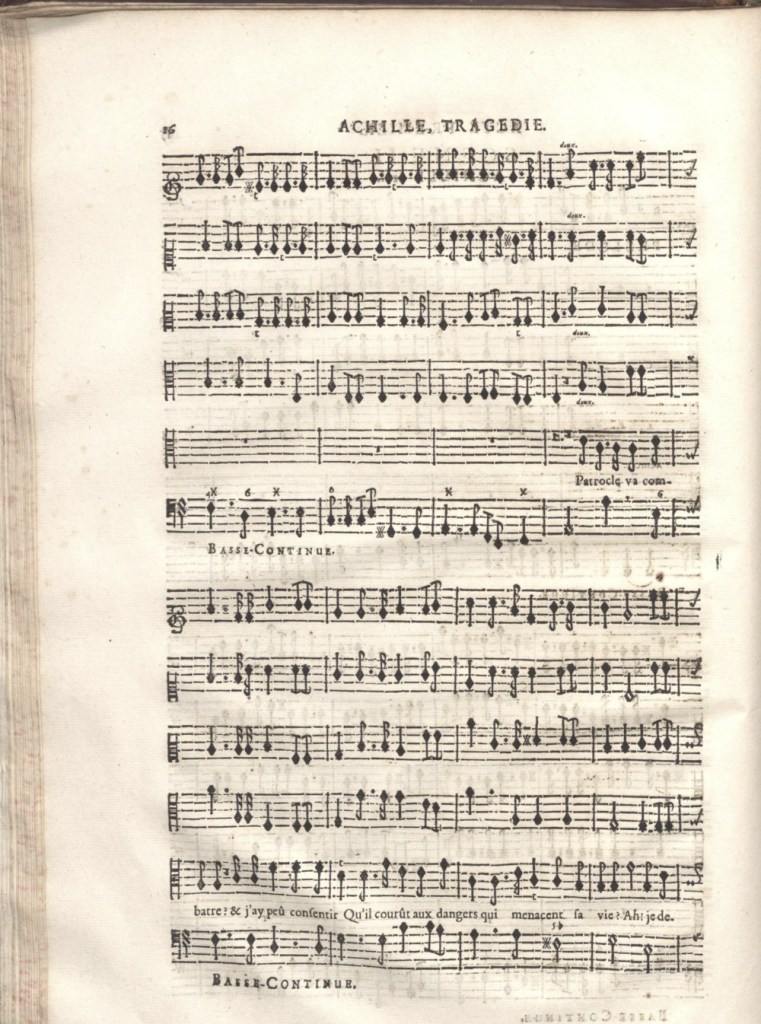
Achille et Polyxène, LWV 74 : Patrocle va combattre, et j’ai pu consentir…
The Italian-French Baroque composer and conductor Jean-Baptiste Lully (1632–1687) had barely finished composing the overture and first act of what was to be a five-act tragédie lyrique, Achille et Polyxène, when he died in what newspapers today would call “a bizarre conducting accident.” In those days, orchestra conductors stood in front of the musicians and banged on the floor with a big stick. In a rehearsal in March 1687, Lully managed to bang said stick into his foot. Long story short, the wound got infected, gangrene developed, and Lully was no more. And Achille et Polyxène was unfinished. Lully’s student Pascal Collasse finished the music about eight months after Lully’s death, and the premiere took place in Paris in late November 1687.
By this time, Lully had fallen out of royal favour because of a same-sex affair, and he very obviously intended this opera to make a political and social statement, mainly a prayer for peace and understanding. Lully also was hoping that this opera would enable him to return to his former position in the royal household. (As it happens, the king didn’t bother to turn up to the premiere, so it probably wouldn’t have helped.) The librettist, Jean Galbert de Campistron, took his inspiration from Homer and Virgil. Jason Thompson wrote, “In the opera’s first act, Campistron’s text and Lully’s music work together to imply a romantic relationship between Achilles and Patroclus, which has been used to portray homosexuality since ancient Greece.” In the recit “Patrocle va combattre, et j’ai pu consentir,” Achilles asks for the gods to protect Patroclus. The text is typical of 17th-century French airs on the subject of love.
Most of Lully’s operas begin with a lively prologue, but Achille et Polyxène strikes a sombre note from the very start. Although he didn’t finish the music for the end of the opera, he did leave sketches and notes stating his plans for the entire work. Collasse mostly followed Lully’s lead but he did include more dances and left many of the vocal melodies more open for decoration. The opera ends much as it began, tragically and sadly, unlike Lully’s other operas that usually finish with a big rousing ensemble number. There are lighter moments throughout the opera, but those moments are few and far between. Had Lully lived, I wonder if he would have continued writing operas that were more sombre and with a more pointed subtext, like Achille et Polyxène.
My classical music post for today is Jean-Baptiste Lully: Achille et Polyxène: “Patrocle va combattre, et j’ai pu consentir.”


Leave a Reply