

December is a month for reflection, a time to look back on the past year before looking ahead to the new one. In 2025, there was so much great music to share that I wasn’t able to fit all of it in! So this December, the Daily Classical Music Post will revisit the theme for each month and share a few of the works that didn’t make the cut.
[June 2025: Ask people what genre they think film music is—is it classical? You will get widely varying responses. For some people, film music is a subgenre of classical music; for others, it is a completely separate genre that stands on its own. This June, the Daily Classical Music Post will look at the origins of film music and discover how it has evolved.]
Many composers of film scores use their music to reflect a character’s inner psychological turmoil and state of mind. Bernard Hermann, a master at using his music to express characters’ emotions, once said, “[M]usic on the screen can seek out and intensify the inner thoughts of the characters. It can invest a scene with terror, grandeur, gaiety, or misery. . . . [I]t is the communicating link between the screen and the audience, reaching out and enveloping all into one single experience.” The film scores by the Icelandic cellist and composer Hildur Guðnadóttir (born 1982) embody this perfectly.
Guðnadóttir often builds her scores around her cello, and she creates an atmosphere in which the music exposes troubled inner lives. A great example of this is her score to the film Joker (2019), for which she won the Academy Award for Best Original Score, the BAFTA Award for Best Original Music, and the Golden Globe Award for Best Original Score (the first solo female composer to win all three awards).
Fred Murdoch wrote, “Hildur Guðnadóttir has composed a dark, ominous and rather unsettling sound for Joker, a score that simply terrifies in its atmosphere. . . . This is a soundtrack very clearly aimed at atmosphere rather than traditional themes. Much like the now established soundscape, the ‘theme’ is a solemn piece, consisting of just a few drawn-out and quite bleak-sounding cello notes. Despite its simplicity however it’s hard to deny how effective it is—the music washes over you with this feeling of just utter . . . unsettlement that actually makes the hairs on the back of your neck stand on end.”
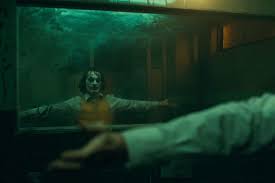
“Bathroom Dance,” the cue at the moment of Arthur Fleck’s metamorphosis into The Joker, is characterized by the drone of the cello-like halldorophone accompanied by haunting vocals. The music was played on set as Joaquin Phoenix improvised his awkward dance expressing his inner turmoil. It is an extraordinary moment, unforgettable and pivotal.
My classical music post for today is Hildur Guðnadóttir: Joker: “Bathroom Dance.”


Leave a Reply