

The myth that athletes are the “cool kids” and classical musicians are not is constantly repeated in popular culture, as if these two groups are in opposition. However, many classical composers not only loved to watch and play sports, they also immortalized that love in their music. This September, the Daily Classical Music Post explores classical music about sports.
Giordano: Fedora “Si amor ti allena”
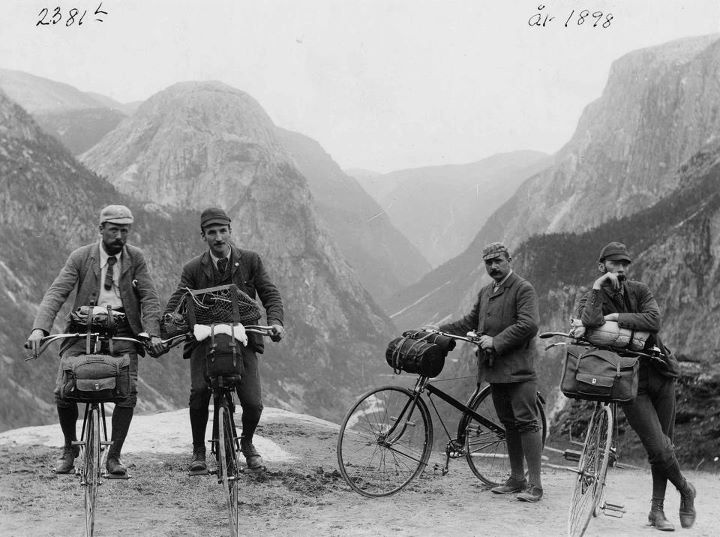
Bicycling not only is excellent exercise, it also is a great way to relieve stress. Cycling evokes euphoric feelings (sometimes called the “rider’s high”), and the sense of freedom helps to calm and relax the rider. Although cycling can be a solitary endeavour, it can also be a team sport.
The Italian composer Umberto Giordano (1867–1948) was mainly known for his operas written in the verismo style. Verismo (meaning “realism”) stories focused mainly on contemporary people and realistic problems, although some historical characters featured as well. One of Giordano’s most famous operas, the three-act Fedora (1898), is an excellent example of verismo. The story is about the Russian Princess Fedora Ramazoff who, after her fiancé Count Vladimiro is murdered, swears revenge. She falls in love with Count Loris Ipanoff, whom she discovers is her fiancé’s killer, and her ensuing actions ultimately cause the deaths of members of his family. Consumed by guilt, in time-honoured operatic fashion, Fedora commits suicide by drinking poison.
One of the secondary characters is Countess Olga Sukarev, who accompanies Fedora and Loris to a villa in the Swiss Alps. Olga is fed up with the lovers’ PDA and complains, but when Loris asks her about her bicycle, she perks up immediately and sings an aria, “Se amor ti allena,” about the joys of bicycling. Another secondary character, De Siriex, turns up and asks Olga to go on a bicycle ride with him. But this is just a ruse to get her out of the way; he needs to speak to Fedora about Loris and his family. Productions of Fedora often omit “Se amor ti allena,” citing an unnecessary diversion from the main tragic plot. Although the aria has been criticized for providing a moment of levity, it reduces the tension, which for me is no bad thing, but apparently some people disagree.
It’s virtually impossible to find a standalone recording of Olga’s aria, but I was able to find a recent production that reinstated it, so I am sharing that with you today. And a little tidbit of trivia: At the premiere in 1898 at Milan’s Teatro Lirica, the role of Loris was sung by one of the most admired tenors of all time, Enrico Caruso, just a few short years after he made his stage debut at the age of 22.
My classical music post for today is Umberto Giordano’s Fedora: “Se amor ti allena.”


Leave a Reply