

The first day of May is International Workers’ Day. Workers and labour movements are celebrated worldwide on this day. This May, the Daily Classical Music Post will honour and commemorate the struggles, achievements, rights, and gains of workers through music.
Thomas Jester – Copland: Into The Streets May 1st
Much of the music by the American composer Aaron Copland (1900–1990) celebrated the U.S. working class. Although Copland wasn’t ever a member of the Communist Party, he definitely sympathized with its aims and ideals. He believed that composers and musicians had an important role to play in supporting workers and their struggles for fairness. He wrote, “Every participant in revolutionary activity knows from his own experience that a good mass song is a powerful weapon in the class struggle. It creates solidarity and inspires action. No other form of collective art activity exerts so far-reaching and all-pervading an influence. The song the mass itself sings is a cultural symbol which helps to give continuity to the day-to-day struggle of the proletariat.”
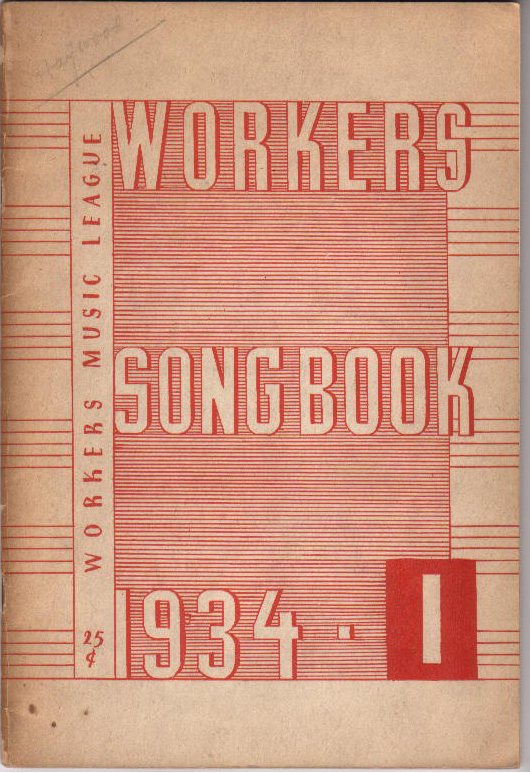
Copland composed “Into the Streets May First” in 1934. This short piece for voice (or unison chorus) and piano was composed for the Workers’ Music League, a New York City–based organization that was created in the early 1930s to promote proletarian music. It was part of the broader Communist Party movement and sought to use music as a tool for political and social change. The text is taken from Alfred Hayes’ poem of the same name, and Copland won the Workers’ Music League 1934 contest for best song with his setting.
Ashley Pettis wrote in 1934, “Aaron Copland’s composition . . . is most certainly an interesting and practical example of mass song. . . . It has vigor, directness. Its spirit is identical with that of the poem. The unfamiliar, ‘experimental’ nature of the harmonics which occur occasionally, does not tend to make the unsophisticated singer question. Copland has chosen a musical style of time-honored tradition, but he has imbued it with fresh vitality and meaning. The subtle alteration of harmonies and melodic intervals in progressions of a familiar nature, save it from being relegated to the category of being platitudinous. The harmony structure, which in less skilful hands would have been mere ‘Pomp and Circumstance,’ here possesses freshness and newness! Some of the intervals may be somewhat difficult upon a first hearing or singing, but we believe the ear will very readily accustom itself to their sound.”
Copland later withdrew this work from publication and stipulated that it not be performed. That may have been more to do with his being investigated by the House Un-American Activities Committee than any dissatisfaction with the composition itself. That’s a shame, as this piece and the sentiments behind it are important in understanding Copland and his place in the history of 20th-century U.S. music.
My classical music post for today is Aaron Copland’s “Into the Streets May First.”


Leave a Reply