

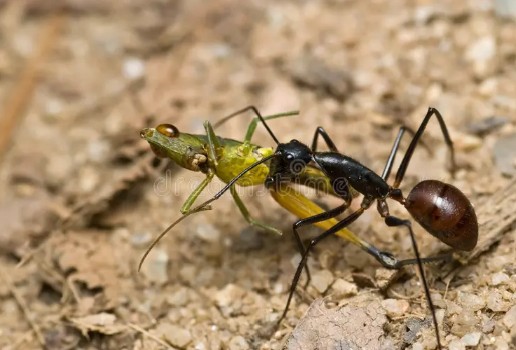
A is for April, and it’s also for Animals! This April, the Daily Classical Music Post explores music celebrating the animal kingdom.
E.ブルーサ: 寓話 第3番 アリとキリギリス[ナクソス・クラシック・キュレーション #ファンタジー]/E.Brusa:Favole No.3. The Ant and the Grasshopper
“Who really has the power—and who has morality on their side—the grasshoppers or the ants?”—A Bug’s Life
The Italian-British composer Elisabetta Brusa (born 1954) studied composition with Bruno Bettinelli at Milan Conservatory. She also studied with Peter Maxwell Davies and Hans Keller. She has described her music as “close to Neo-Tonality and in particular to Neo-Romanticism, but in the original sense of the word, which is nowadays often confusedly assimilated to other ones” and her harmonies as “essentially pandiatonic with panchromatic moments.” The majority of her works are orchestral and are inspired by literature and art.
Maureen Buja said, “[Brusa’s] orchestral work, Favole (Fables), written in 1982–1983, is inspired by fairy tales by Aesop, Andersen, La Fontaine, and Perrault and covers the world of fairy tale animals. . . . From the Fables of La Fontaine comes the story of the Ant and the Grasshopper. The industry of the ant (depicted by a hammer on an anvil) and the laziness of the grasshopper (given to the saxophone) contrast the business of the ant about its business with the leisurely life of the cabaret-style music. A brush on the guiro is the sound of the grasshopper.”
Ivan March said, “Favole again demonstrates Brusa’s orchestral skill: where possible, she uses the same instrumentation in her portrayals as Prokofiev in Peter and the Wolf, so the listener has no trouble in identifying the characters. . . . Most picaresque and charming is La Fontaine’s ‘The Ant and the Grasshopper’ (a saxophone).” Herbert Culot said, “This suite of seven short, neatly characterised movements is a good example of Brusa’s happy music making and remarkable orchestral mastery. Colourfully scored and superbly crafted music it is in turn serious and humorous, tender and mildly ironic, tuneful and mildly dissonant. This is the sort of work that could and should be as popular with young (and not so young) audiences as the celebrated Peter and the Wolf or L’Histoire de Babar.”
My classical music post for today is Elisabetta Brusa’s Favole, No. 3: The Ant and the Grasshopper.


Leave a Reply