

February is Black History Month in the United States of America and Canada, and LGBT History Month in the United Kingdom and Ireland. This February, the Daily Classical Music Post will celebrate both by sharing some favourite posts from the past several years on Black and LGBTQIA+ composers.
First posted 27 July 2020
This July, the Daily Classical Music Post will celebrate Black composers whose music has been suppressed and ignored. #DecolonizeTheClassicalMusicCanon #DevelopAnAntiracistMusicTheoryCurriculum #DismantleWhiteSupremacy
born Sep. 1, 1883 Justin Elie “Legende Creole”
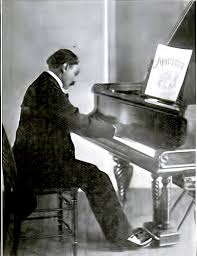
Justin Elie (1883–1931) began piano lessons in Haiti, where he was born, and his talent was obvious from a very young age. When he was about 12 years old, he moved to Paris and began studies at the Cours Masset, a preparatory school for the Conservatoire de Paris. Six years later, he was admitted to the Conservatoire, where he studied piano, harmony, and composition.
Elie is particularly well known for reviving the méringue, which was a form of resistance to U.S. occupation—one that only Haitians would truly recognize. Elie incorporated music of the Amerindian past of Saint-Domingue in his méringues, and they were extremely popular throughout Central and South America in particular.
Ten years before his death at the age of 48, Elie moved to New York, where he enjoyed a great deal of success as a performer and a composer. He adapted Haitian melodies and performed them worldwide with a dancer. He also composed music to be played with silent films, including The Phantom of the Opera. His “poème musical en 4 tableaux” Cléopâtre, composed in 1917, is one of his works that combined Vodou with African religious themes and music.
Elie’s violin and piano piece Légende Créole (composed in 1921), also known as Haitian Legend, was one of the first pieces of his to be published by Carl Fischer Music after he moved to New York. As Michael Largey has pointed out, “Elie was like U.S.-based African American composers of his day, expected to conform to white racial expectations, particularly a penchant for the exotic.”
My classical music post for today is Justin Elie’s Légende Créole.


Leave a Reply