

Christmas is so commercialized and mostly about consumerism, but at its root it is about birth, peace, joy, love, light, and goodwill. This December, the Daily Classical Music Post will look at music that celebrates birth, rebirth and resurrection, peace, hope, and joy.
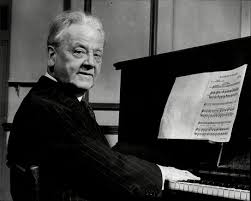
The English composer Haydn Wood (1882–1959) was particularly known for his ballad songs. He also wrote a large number of orchestral works, including suites, overtures, and rhapsodies. His music fits very firmly into the “light music” genre, and some of it would be familiar to anyone who knows BBC radio programmes such as Down Your Way.
Wood was very young when his family moved to the Isle of Man, and he later found inspiration in the landscape for his compositions, particularly his nautical medleys. He also composed a tribute to the Isle of Man, Mannin Veen, based on Manx folk songs and a hymn sung by Manx fishermen when they returned safe from the fishing grounds.
Tim McDonald said, “Haydn Wood wrote his large six-movement Suite Moods in 1932 and dedicated it to his sister Adeline. The various moods of Dignity, Allurement, Coquetry, Pensiveness, Felicity and Joyousness are represented respectively by a Prelude, Novelette, Caprice, Romance, Spring Song and Concert Waltz.” There is a definite “Englishness” in the tempo and style of the final movement, Joyousness. It is much lighter than, say, Straussian waltzes, and there also is a bit of humour in the way that Wood plays with the 3/4 time signature. Wood’s music is cheerful and bright and easily accessible to all listeners.
My classical music post for today is Haydn Wood’s Suite: Moods: VI. Joyousness.


Leave a Reply