

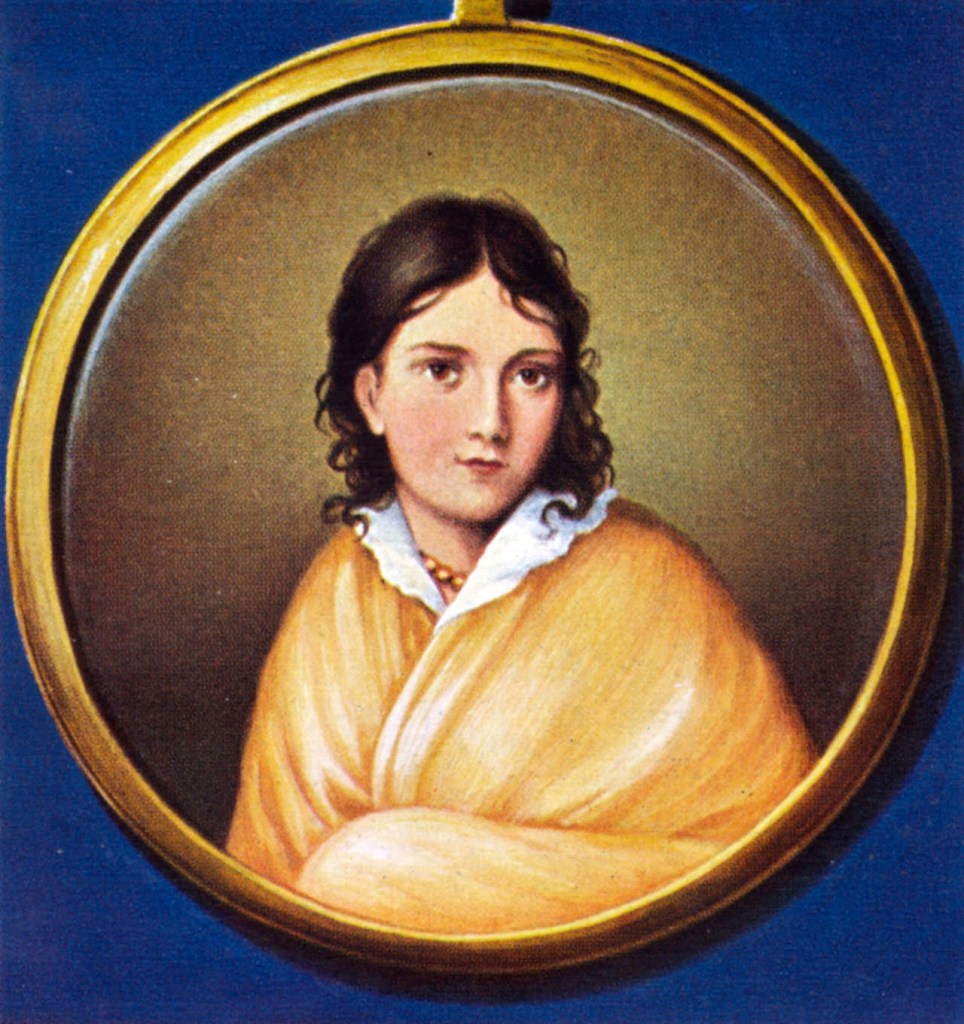
Composers dedicate pieces of music to others for many reasons. Sometimes it is a way to thank or honour a mentor or patron. Sometimes it is to express friendship or love interest. Maybe the composer wants to remember someone close to them who has died. And maybe it’s just to celebrate a favourite place or event. This September, the Daily Classical Music Post is introducing you to a selection of works with dedications.
R.Schumann : Gesänge der Frühe op.133 (Anatol Ugorski)
The German Romantic composer Robert Schumann (1810–1856) dedicated many of his works to his wife, Clara, as well as to other composers and friends. One of his final compositions, Gesänge der Frühe (Songs of the Morning), Op. 133, written in 1853, was dedicated to the poet and composer Bettina von Arnim. The five-movement work for solo piano was described by Clara as “dawn-songs, very original as always but hard to understand, their tone is so very strange.”
Blair Johnston said, “By the autumn of 1853, Robert Schumann had already boarded the one-way express train to complete mental and emotional breakdown; but he had not yet actually reached the last stop on that unhappy trip, and so was still able, in October, to create and prepare for publication (the latter over several months, and with considerable difficulty—his mental focus was dissolving quickly) a set of five character pieces for piano solo that he called Gesänge der Frühe [Songs of Dawn], Op. 133. These five miniatures are dedicated to ‘the high poetess Bettina’ and are Schumann’s very last coherent solo piano music.”
Many scholars have commented on the complex and somewhat confusing tonal structure and musical language of Schumann’s late works, particularly Gesänge der Frühe. While it is true that Op. 133 is very rarely performed, recent analysis of this and other late works is beginning to raise interest in the compositions of this enigmatic composer. As the cellist Steven Isserlis said, “Schumann’s music tells us what it was like to be Robert Schumann, and yet it still speaks to us, because his emotions were so strong, so real, that we can recognise ourselves in him. Everything that he experienced in his life comes pouring through his music; there is no composer whom we get to know as intimately as we get to know him. He tells us his deepest secrets, shares with us his most private dreams—in fact he talks to his listeners as if we were his most beloved friends.”
My classical music post for today is Robert Schumann’s Gesänge der Frühe.


Leave a Reply