

The entertainment industry loves biopics. It doesn’t really matter if the details are exaggerated or just plain untrue: all that matters is telling a good story! Biopics about classical music composers and musicians can range from the mostly factual to out-and-out fanciful. This March, the Daily Classical Music Post will look at some of these films.
Messiah: Part I, No 3. Ev’ry Valley Shall Be Exalted
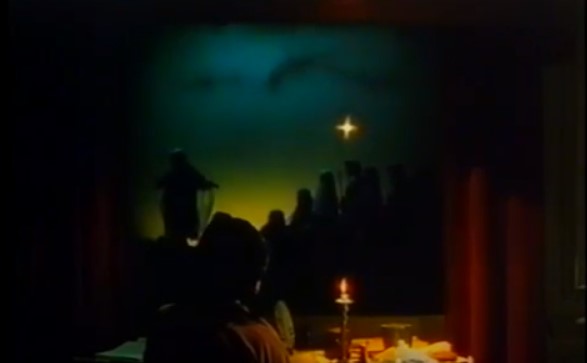
I’m not a composer, nor a screenwriter, so I really don’t know where inspiration comes from or how masterpieces are created. But I’m pretty sure that Lawrence du Garde Peach, Gerald Elliott, and Victor MacLure, the screenwriters of The Great Mr. Handel (1942), were on something when they imagined that the German-British Baroque composer George Frideric Handel (1685–1759) heard the music for Messiah (in a very weird and mixed-up arrangement, but clearly recognisable as “Ev’ry Valley Shall Be Exalted”) while staring out of the massive window in his study as the Star of Bethlehem, shepherds, and the Magi appear in his back garden to worship the Christ Child. Oh yes, this has to be one of the greatest moments in cinematic history. Handel is so overwhelmed that his dinner, brought to him by his trusty Scottish man-servant, sits untouched; Handel grabs the quill pen, dips it in the inkwell, and over the next few days composes what is considered by many to be his masterpiece.
Wilfrid Lawson is really pretty stoic as Handel, in the way that only stars in the 1940s could be. The look of wonder on his face as the group appears in his garden is pretty special (this happens some time after an hour into the film). The action takes place near the end of Handel’s life, when he was out of favour with the British royal family, on whom he relied for patronage, before the composition of Messiah. Thank goodness everyone turned up in his back garden in the knick of time!
Phil Hall’s review is pretty comprehensive: “Wilfrid Lawson’s Handel bears a vaguely dyspeptic expression whether facing joy, pain, inspiration or confusion. His dull central performance is surrounded by a host of one-note caricatures: Elizabeth Allan as the beautiful actress/singer who finds no problems with the old German grump, Hay Petrie as the diminutive comic relief Scottish valet who happily works without getting paid, Max Kirby as the excessively foppish prince, and a host of unidentified extras who bow and curtsy while chiming “Ow, ‘ere’s Mr. ‘andel” whenever the composer walks by.” This pretty much covers it. And we don’t get a full performance of Messiah, just a little snippet accompanied by harpsichord only. What a shame.
My classical music post for today is George Fridrich Handel’s Messiah: Part I, No. 3, Ev’ry Valley Shall Be Exalted.


Leave a Reply