

Thank you to everyone who subscribes to and supports the DCMP. This January, I will be sharing some of the more popular posts from 2022 and 2023. A new theme will begin in February!
[First published 27 February 2023]
“The sad thing is that I leave with so much more to say.”—Béla Bartók
During February, the shortest month of the year, the Daily Classical Music Post will introduce you to (or perhaps reacquaint you with) some composers whose lives were short.
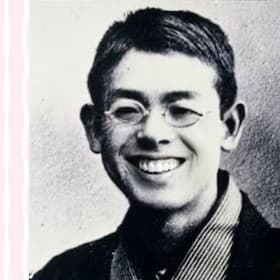
The Japanese composer Rentarō Taki (1879–1903) died at the age of 23 from what I sometimes like to call the “composer’s disease” (tuberculosis). He studied in Tokyo and was in the midst of his further studies at Leipzig Conservatory when he fell ill. He returned home to Japan for treatment, which unfortunately was not successful.
Taki is considered to be one of Japan’s greatest composers, even though he barely had a chance to prove that. He definitely is seen as a great example of Japanese classical music composed in the Western tradition. It is fascinating to think what he might have achieved in terms of the rediscovery of traditional Japanese classical music.
Taki composed many songs to be used in music education. Several of his songs were included in a music book in 1900 for nursery classes, and these are considered to be the oldest songs of that type in Japan. All of his music was written for voice except for two piano works, Menuetto (1900) and his final work, Urami (Regret), which was composed a few months before he died. This piano work is at times angry, at times sorrowful; perhaps Taki knew that his time left on earth was short.
My classical music post for today is Rentarō Taki’s Urami.


Leave a Reply