


Thank you to everyone who subscribes to and supports the DCMP. This January, I will be sharing some of the more popular posts from 2022 and 2023. A new theme will begin in February!
[First published 5 March 2023]
“I like Beethoven, especially the poems.”―Ringo Starr
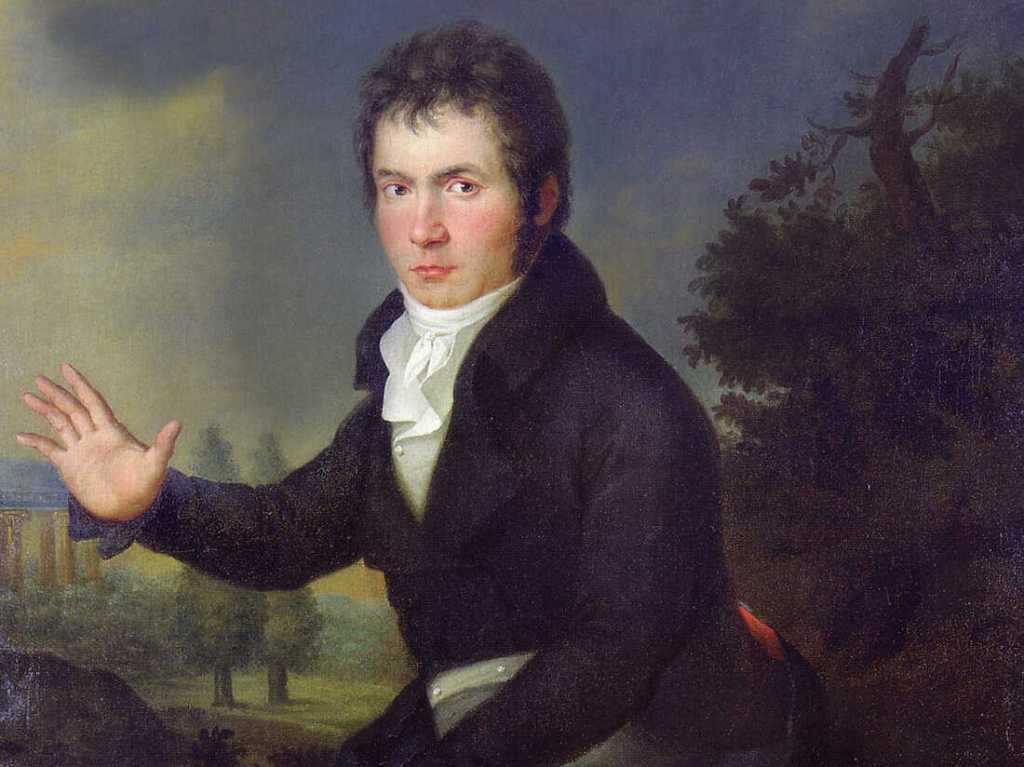
Beethoven: For Elise (Für Elise), Bagatelle No. 25 in A minor
If anyone needed proof of the lasting quality of classical music, they need look no further than popular music from the late 1950s on. Many singers, songwriters, and groups turned to classical music not just for inspiration but also for actual themes, tunes, and harmonies. In most cases, these “updates” (for lack of a better term) were pretty good. Some were quite imaginative; others were, frankly, just rehashes that were not an improvement. But they are all interesting, and in my classical music posts for March I introduce you to (or reacquaint you with) some of the best―and worst!
One of the classical composers most often quoted or sampled in popular music is Ludwig van Beethoven. The list includes his Symphony No. 5 (Busta Rhymes, ELO, Omega, etc.), the Moonlight Sonata (Alicia Keys, the Beatles, the Shangri-Las, etc.), the Pathetique Sonata (Billy Joel, Louise Tucker, KISS, Wu-Tang Clan, etc.), Symphony No. 9 (Mannfred Mann, Rainbow, Bright Eyes, etc.), Symphony No. 7 (Deep Purple), and many others.
Beethoven’s Bagatelle No. 25 in A minor, commonly known as “Für Elise,” is one of his most popular piano compositions. “Für Elise” is associated in most people’s minds with learning to play the piano; as Alex Ross so brutally has put it, “Myriad times a day it is murdered by novice piano students, only to rise up again.” That familiar little tinkley start always gets one’s heartbeat going! Beethoven composed this piece in 1810, although it wasn’t published until after his death. At the time he composed it, he was almost completely deaf.
The American rapper Nas took “Für Elise” and used it as the basis for his 2003 hit “I Can.” In an interview in Rolling Stone magazine, Nas said, “A song like that helped me because I have a daughter, and because I make so much music that when she was younger I didn’t want her to listen to, I owed her and other kids something, something real, something real that’s up their alley, to show that I cared, that I’m a human being, that I’m not just about giving you a tune about what happens in the ‘hood and all that every day. I’ve got to be a real human being, and that was one of my real human being records right there, for my daughter. So yeah, that’s one of the most important records I ever made.”
And “I Can” ends with words that are very close to my heart: “Save the music.”
My classical music post for today is Ludwig van Beethoven’s “Für Elise” and Nas’s “I Can.”


Leave a Reply