

Franz Liszt: Weihnachtsbaum
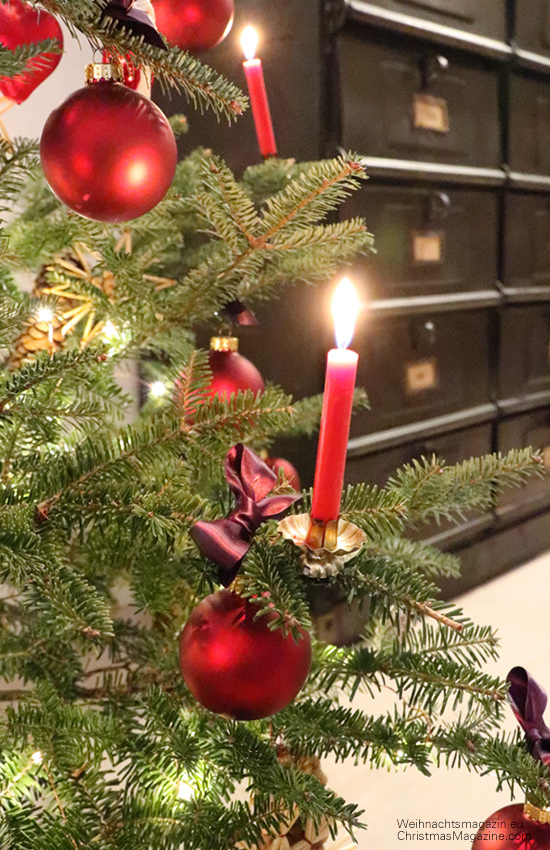
The decorations are up, the holiday music is blaring in the shops; there is no mistaking what time of year it is. This December, the Daily Classical Music Post will introduce you to music composed for or inspired by holidays that occur in the month of December. There will be a little something for everyone (I hope)!
Martha Argerich & Daniel Barenboim perform Franz Liszt’s Weihnachtsbaum (“Christmas Tree”)
The Hungarian composer Franz Liszt (1811–1886) composed a set of 12 miniatures for piano, Weihnachtsbaum, for his grand-daughter Daniela von Bülow. Because he composed it for her, it’s not as virtuosic or difficult as most of his other works. Liszt wrote this first for solo piano but then revised it for four hands. The four-hand version is the one I’m sharing with you today.
The 12 pieces are divided into three sections of four pieces each. Most but not all have a connection to Christmas. Leslie Howard said, “The Christmas Tree suite occupied Liszt for quite some time—he was determined to make an especially good job of it to present to his granddaughter Daniela (daughter of Hans von Bülow and Cosima) to whom the set is dedicated—and he also made a charming arrangement of it for piano duet. The bulk of the work was carried out between 1874 and 1876, although Liszt kept touching the pieces up until the time of publication. The first four numbers are marked ‘piano ossia armonium’, and are nowadays additionally included with Liszt’s organ music. The whole work is arranged in three groups of four pieces which, broadly, present traditional carol melodies, a child’s view of Christmas, and a maturer person’s recollections.”
My classical music post for today is Franz Liszt’s Weihnachtsbaum.


Leave a Reply