

Henriëtte Bosmans’ Trois Impressions
In September 2023, North Carolina classical radio station WCPE created an uproar when the music director announced that they would ban broadcasts of several operas being performed by the Metropolitan Opera. It didn’t take many weeks for that decision to be reversed. Sometimes, however, it takes years or even generations for composers and music that has been banned to be heard. This November, the Daily Classical Music Post will look at some music that was banned for a wide variety of reasons.
Henriëtte Bosmans – Impressions (1926)
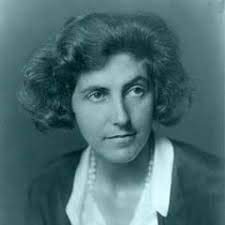
The Dutch composer Henriëtte Bosmans (1895–1952) was the daughter of Henri Bosmans, principal cellist of the Concertgebouw Orchestra, and the pianist Sara Benedicts, piano teacher at the Amsterdam Conservatory. Bosmans became a celebrated pianist in the 1920s, performing throughout Europe. However, when the Nazis invaded the Netherlands, Bosmans refused to join the Kultuurkamer, and so in 1942 the Nazis banned any performance of her music. She was not allowed to perform in public either.
az lawrie says, “Bosmans’ father was Roman Catholic and her mother was Jewish; this, coupled with the fact that she was as openly bisexual as someone in the early 20th century could be, meant that she faced a number of challenges throughout her career, particularly in the late 1930s and during the Second World War with the rise of Nazism. The article in Norton/Grove puts it more quaintly: ‘Owing to personal circumstances and World War II, Bosmans stopped composing between 1936 and 1945.’”
The result of the ban was that Bosmans was largely forgotten for many years, notwithstanding the fact that a prize for young Dutch composers was established in her name in 1994. Most of her music went unheard until the 21st century. Her compositions are still being rediscovered and recorded, and this marvellous composer is finally getting the recognition that she was denied for so long.
Bosmans’ Trois Impressions, composed in 1926 for cello and piano, is one of the newly rediscovered works. Jonathan Woolf says, “There’s a very strong element of chinoiserie to the first of the three, a Cortège, and the result is vibrant and exciting. The central movement is Nuit calme, profoundly redolent of Debussy whilst the final panel is En Espagne which is not the kitsch-fest one may have been expecting but is exuberant, treading lightly over temptations for Hispanic cliché.”
My classical music post for today is Henriëtte Bosmans’ Trois Impressions.


Leave a Reply