

Jan Pieterszoon Sweelinck: Pavana Lachrimae
Oscar Wilde famously said, “Imitation is the sincerest form of flattery that mediocrity can pay to greatness.” It isn’t always the case, at least in classical music, that the imitator is mediocre; many compositions that are based on another composer’s work are just as interesting—and sometimes even more interesting—than the original. This October, the Daily Classical Music Post will look at variations, fantasias, and other compositions that are based on another composer’s work.
The English composer John Dowland’s collection of instrumental music, Lachrimæ or seaven teares figured in seaven passionate pavans, with divers other pavans, galliards and allemands, set forth for the lute, viols, or violons, in five parts (1604), was very popular in his lifetime and after. The seven pavans express different aspects of sadness and melancholy. These pavans were actually based on Dowland’s earlier song from 1596, known as “Flow My Tears.”
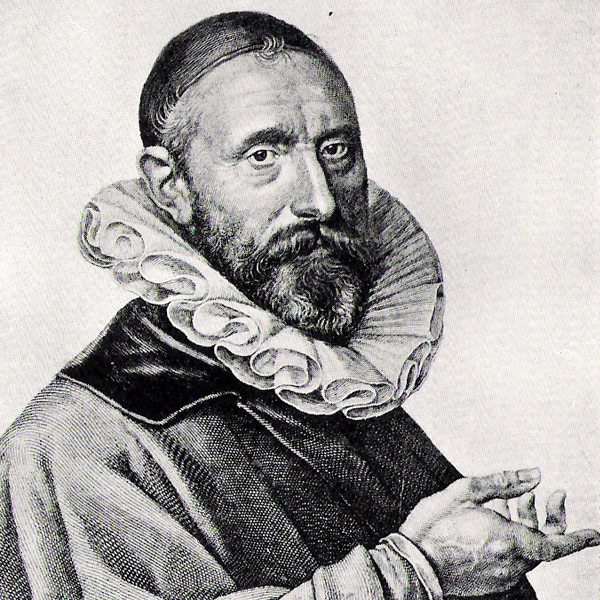
Several composers based works on Lachrimæ in the years following its publication. One of the more well-known compositions is by the Dutch composer Jan Pieterszoon Sweelinck (1562–1621), who was a major keyboard composer in the Renaissance and Baroque eras. Pavana Lachrimae, which was composed most likely for harpsichord but also can be played on any keyboard, including organ, begins with a polyphonic statement of the theme with many decorations. Three sections that each repeat follow, all variations on a different line of the song. Sweelinck was an innovator—he was the first to compose an organ fugue—and his canonic writing and harmonic structure is a precursor of the works of J.S. Bach. Both can be heard in this expressive piece.
An interesting side point is that in the Renaissance and Baroque eras, keyboardists rarely used their thumbs to play; some people believe that Bach was the one to introduce the use of the thumb, although manuscripts in Bach’s handwriting make it clear that the thumb was not used.
My classical music post for today is Jan Pieterszoon Sweelinck’s Pavana Lachrimae.


Leave a Reply