

Robert Schumann: Piano Sonata No. 3 in F minor, Op. 14: III. Quasi variazioni. Andantino de Clara Wieck
Oscar Wilde famously said, “Imitation is the sincerest form of flattery that mediocrity can pay to greatness.” It isn’t always the case, at least in classical music, that the imitator is mediocre; many compositions that are based on another composer’s work are just as interesting—and sometimes even more interesting—than the original. This October, the Daily Classical Music Post will look at variations, fantasias, and other compositions that are based on another composer’s work.
Schumann: Piano Sonata No. 3 ‘Concerto Without Orchestra’, Op. 14 [Horowitz 1976]
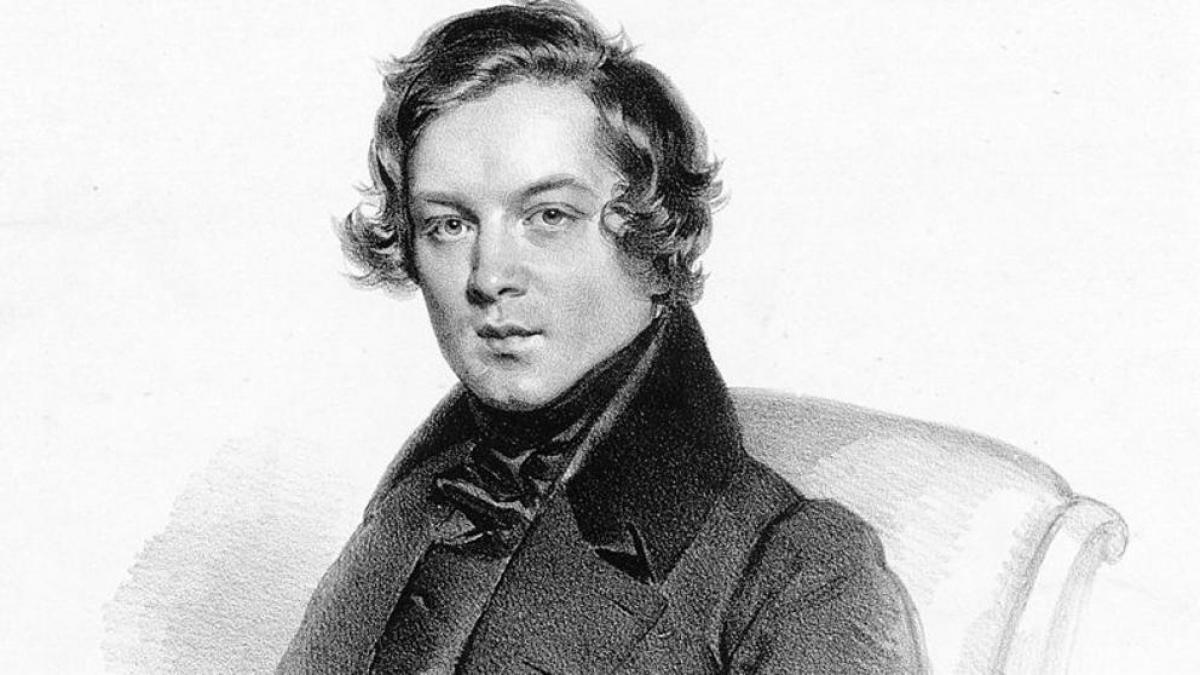
Robert Schumann (1810–1856) was a great admirer of Clara Wieck long before he managed to convince her father to agree to their marriage. (Actually, her father had little choice; Robert and Clara sued him, and the judge allowed their marriage to take place.) Their marriage was one of mutual respect, and they supported each other’s careers, often premiering the other’s works.
The third movement of Robert’s Piano Sonata No. 3 in F minor, Op. 14 (known as “Concerto for piano without orchestra”) is a set of variations based on an andantino composed by Clara. Robert composed the sonata in 1836, when Clara’s father had taken her on a concert tour in an attempt to separate the lovers. Jaeden Izik-Dzurko said of the sonata, “Clara is represented by a five-note descending scale figure that appears in all four movements, obviously derived from the opening of the 3rd movement, the famous “Variations on a Theme of Clara Wieck,” later to become a favourite encore piece of Vladimir Horowitz. . . . There is a ceremonial sadness to this haunting theme, rendered especially ghoulish by the austere coldness and bare-bones texture of its second phrase, like footsteps echoing above the tombs of the dead in an empty cathedral. The first two variations let the theme speak out over the murmurings of gargoyle voices in the bass below. An antic mood dominates the third variation, that is peppered with constant syncopations. The tragic heart of the movement comes in the final variation, which pleads its case in whimpering phrases and cries of heart-rending despair, alternating with poetic daydreams and expressions of intimate tenderness.”
My classical music post for today is Robert Schumann’s Piano Sonata No. 3 in F minor, Op. 14: III. Quasi variazioni. Andantino de Clara Wieck.


Leave a Reply