

Johann Georg Albrechtsberger: Concerto for Jew’s Harp, Mandora, and Strings in E Major: I. Tempo moderato
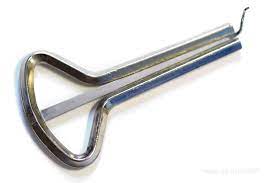
September is a month of unusual holidays, including “No Rhyme, No Reason Day,” “Wonderful Weirdos Day,” “Ceiling Fan Day,” and “Punctuation Day” (a personal favourite). To celebrate unusual holidays, this September the Daily Classical Music Post will explore music composed for unusual instruments either in ensembles or featured in a soloist capacity.
Concerto for Jew’s Harp, Mandora & Orchestra in E Major: I. Tempo moderato
No one knows why the Jew’s harp has that name. It most likely originated in Siberia and has nothing to do with Judaism or harps. It’s played by placing the frame of the instrument against the performer’s teeth or lips and then using the mouth as a resonator while flicking the flexible tongue rhythmically. The resulting sound is a very distinctive twang. It has been used in Cambodian, Indian Classical, Nepali, Turkic, Sindi, and Sicilian music as well as in Western Classical music. The Jew’s harp is particularly popular in Austria, where it is known as the Maultrommel (“mouth drum”).
The Austrian composer Johann Georg Albrechtberger (1736–1809) was known mainly for being Ludwig van Beethoven’s teacher. He wrote string quarters, organ music, and piano music as well as treatises on music. His Concerto for Alto Trombone is highly regarded. He also composed seven (yes, seven) concerti for Jew’s harp, mandora (an 18th-century type of lute), and orchestra. At that time, there were virtuoso Jew’s harp players, some of whom could play more than one at once, and Albrechtsberger knew many of them.
Dieter Kirsch says, “All the ‘concerti’ are autographed and prescribe the use of several Jew’s harps functioning at different pitches, whereas for the lower part Albrechtsberger employs letters without indicating exactly which octave pitch is intended. In the case of the E major concerto there exists a handwritten “viola prima” part, which, as it includes all the chief melodic material of the mandora part, is obviously intended as an alternative to this.”
The first movement of the Concerto in E Major starts off like many Classical-era concertos, but I have to admit to getting a bit of a jolt when the Jew’s harp enters. My favourite part of the entire movement is the cadenza; it just might be one of the best things I’ve heard for a while.
My classical music post for today is Johann Georg Albrechtsberger’s Concerto for Jew’s Harp, Mandora, and Strings in E Major: I. Tempo moderato.


Leave a Reply