

François-André Danican Philidor: “Je veux que Sancha brille” from Sancho Pança dans son isle
First posted 7 September 2016
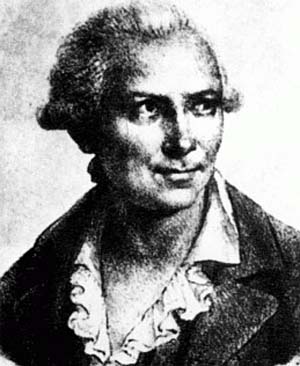
Today is the anniversary of the birth of the French composer and chess player François-André Danican Philidor (7 September 1726–31 August 1795).
Philidor – je veux que sancha brille
Philidor’s Analyse du jeu des Échecs is one of the standard chess manuals; it was the top manual for at least a century. In addition, an opening and a checkmate method are named for him.
Not only was Philidor a top chess player and writer on chess, he also was one of the leading opera composers in France. He wrote more than twenty opéras-comiques and two tragédies-lyriques. He also wrote secular cantatas and motets.
One of the best movies ever made—IMHO—is the 1946 Powell-Pressburger romantic-fantasy A Matter of Life and Death (known as Stairway to Heaven in the United States). You should see it, so I won’t ruin the plot, but the main character is offered several chances to meet Philidor. One amazing thing about Philidor—he was the first chess player to win multiple matches playing blindfolded—is perhaps a subtext in some scenes in the movie.
Philidor wrote his opéra-comique Sancho Pança dans son isle in 1762. It was based on Cervantes’ Don Quixote. It is in one act. It was not considered to be one of Philidor’s best works, mainly because of the poor libretto. Baron von Grimm, in his Correspondance littéraire, had this to say:
A poet who could not make something of the governorship of Sancho Pança should be strangled. M. Poinsinet did not know how to provide situations to the composer either. Except for the scene with the coward who fights with Sancho, dying of fear just like him, I hardly see anything in it that merits the name of situation; and worse, most of the airs do not have much effect. M. Philidor spent a lot on harmony and noise, and not much on melody or musical ideas. He repeated himself in several places; in others he borrowed bits from On ne s’avise jamais de tout and even Annette et Lubin. In a word, this new work by M. Philidor will not hold up to the reputation of Le maréchal ferrant.
I don’t think the opera is as bad as this; but I haven’t heard that many of Philidor’s works. As it happens, Mozart repeated himself a lot and passed off some compositions as new when they were actually rehashes of previously performed works, so Philidor was not the only one to take shortcuts.
My classical music post for today is Philidor’s “Je veux que Sancha brille” from Sancho Pança dans son isle.


Leave a Reply