

César Cui: A Feast in Time of Plague
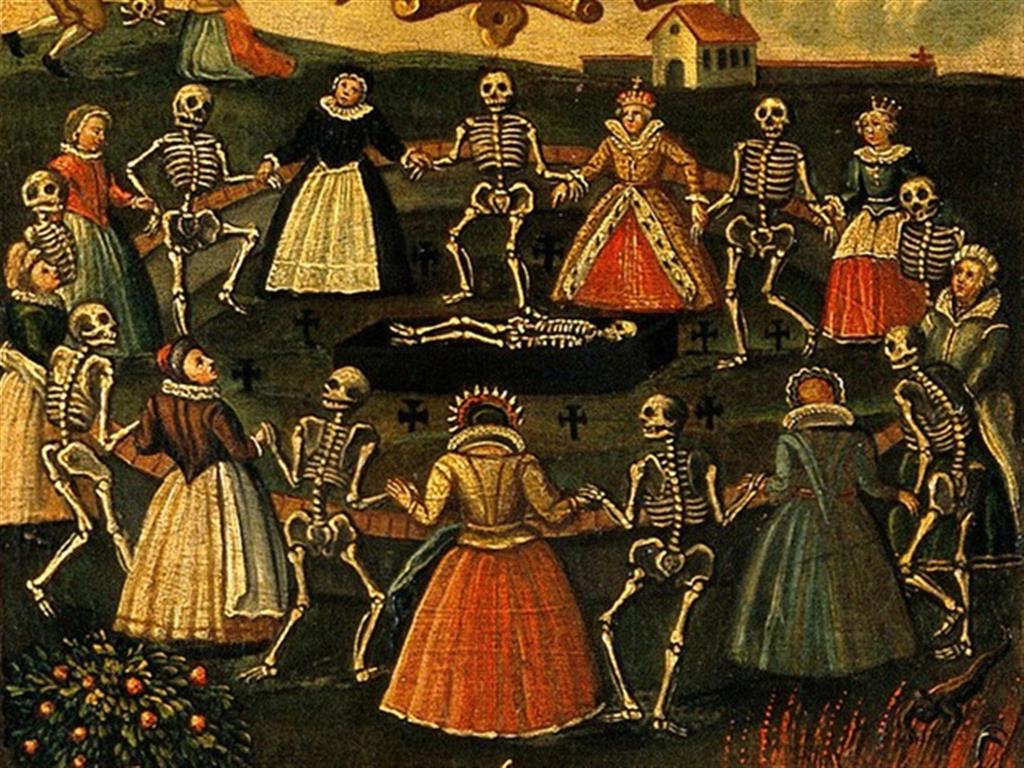
This April, the Daily Classical Music Post will look at composers who died during pandemics, as well as some who survived and a few who composed works to commemorate those who lost their lives.
“In typhoid treat the beginning; in consumption do not treat the end.”—Chinese proverb
The Russian composer César Cui (1835–1918) based his one-act opera A Feast in Time of Plague on the play by Aleksandr Pushkin.
A Feast in the time of Plague – Cesar Cui – Ópera na Pandemia
Cui was an expert on military fortifications and was in fact a professor at three different military academies in St Petersburg. Somehow he managed to find enough time to compose a great deal of music in his secondary career as a composer. He was particularly known for his operas; he also received several awards and honours, including many from foreign musical societies. He wrote hundreds of articles on music (he was also a critic; how did he find time for all of this?) as well as highly regarded textbooks on military topics.
A Feast in Time of Plague, set during the London plague of 1665, is more a group of dramatic scenes than an actual opera. Pushkin based his work on John Wilson’s play The City of Plague, which had many characters, and Cui uses Pushkin’s text word-for-word as well as the reduced number of characters.
A review of a recording published in The Gramophone says that “Cui . . . saw that an answer lay in varying musical treatment . . . within a general idiom that is close to Dargomyzhsky or Mussorgsky in its speech-inflected melody.” There is no real ending to A Feast in Time of Plague. We leave the dinner party still in full flow.
My classical music post for today is César Cui’s A Feast in Time of Plague.


Leave a Reply