

Giovanni Battista Pergolesi: Stabat Mater
This April, the Daily Classical Music Post will look at composers who died during pandemics, as well as some who survived and a few who composed works to commemorate those who lost their lives.
“I cannot be deceived in that colour;—that drop of blood is my death-warrant;—I must die.”—John Keats
The Italian composer Giovanni Battista Pergolesi (1710–1736) died at the age of 26 of tuberculosis.
Giovanni Battista Pergolesi “Stabat Mater”(1736)
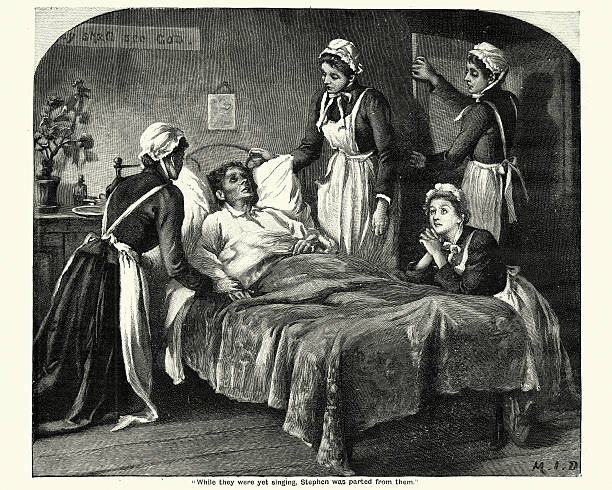
Pergolesi’s Stabat Mater is one of the most well-known and loved settings of this ancient medieval hymn to the Virgin Mary. He composed it in the last weeks of his life, and it is one of the works that is absolutely, definitely composed by him. (There are a lot of pieces misattributed to him.) He was bedridden in a Franciscan monastery, and there are some—obviously fanciful but still romantic—accounts of him finishing the composition, putting down his pen, and dying. I’ve never seen Guido Brignone’s 1932 eponymous biopic starring Elio Steiner (and, distressingly, it’s not available on YouTube), but I bet that’s what happens at the end of the film.
Although a few people feel that the style of this Stabat Mater is a bit too light and operatic—one of Pergolesi’s contemporaries thought that it was more like Pergolesi’s comic opera La serva padrona than a true sacred work—it has been extremely popular throughout the years. J.S. Bach’s BWV 1083 is based on Pergolesi’s setting.
John Henken says, “Pergolesi’s Stabat mater is vocal chamber music, not intended for public church services but for the private worship of a noble fraternity in Naples, the Cavalieri della Virgine de’ Dolori. . . . The gracefully balanced phrases, the clarity, and the operatic expressivity that so entranced the most modern musicians of the time were built over solid Baroque forms and enriched with enough polyphonic detail to please the most fastidious of masters.”
My classical music post for today is Giovanni Battista Pergolesi’s Stabat Mater.


Leave a Reply