

Vítězslava Kaprálová: Grotesque Passacaglia
“The sad thing is that I leave with so much more to say.”—Béla Bartók
During February, the shortest month of the year, the Daily Classical Music Post will introduce you to (or perhaps reacquaint you with) some composers whose lives were short.
Vítězslava Kaprálová: Grotesque Passacaglia
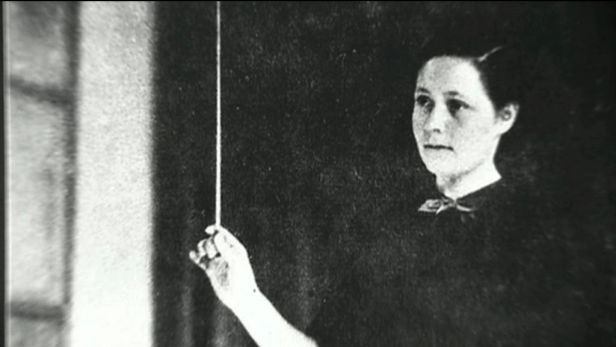
Vítězslava Kaprálová (1915–1940) was a Czech composer and conductor. She died in a hospital in France at the age of 25 from what was thought to be tuberculosis but more likely was typhus. She only composed around 50 works, but it is obvious from what she accomplished in her short life that she would have been an incredibly vital voice and a major composer.
Kaprálová had a very distinctive style, blending impressionism with Czech modernism. She was the student—and lover—of the great Czech composer Bohuslav Martinů, who was devastated by her death. Several of Martinů’s works are either dedicated to her or in some way reveal their relationship.
Kaprálová’s Grotesque Passacaglia was composed in 1935 when she was a student at the Prague Conservatory. She was given the task of composing a passacaglia, and this mischievous, chromatic, and virtuosic work was the result. She won first prize in a composition competition for the piece, the first of many successes in a very short time. As Martinů wrote in 1942, “Why had destiny given her so much energy, so many precious gifts, and yet denied her the opportunity to realise her full potential? This question, I think, will remain forever unanswered.”
My classical music post for today is Vítězslava Kaprálová’s Grotesque Passacaglia.


Leave a Reply