

Guillaume Lekeu: Adagio pour quatuor d’orchestre
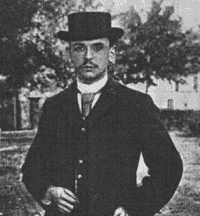
“The sad thing is that I leave with so much more to say.”—Béla Bartók
During February, the shortest month of the year, the Daily Classical Music Post will introduce you to (or perhaps reacquaint you with) some composers whose lives were short.
Guillaume Lekeu – Adagio pour Quatuor d’Orchestre (1891)
The Belgian composer Guillaume Lekeu (1870–1894) was only 24 when he contracted typhoid fever from a contaminated sorbet and died within a few days. Most of his pieces are incomplete, but they all show a remarkable maturity and originality. One American critic is said to have written that Lekeu’s death was “more tragic than that of Schubert or Pergolesi.”
Lekeu wrote his Adagio pour quatuor d’orchestre in 1891 as a response to the death of his teacher, César Franck. Lekeu was absolutely devastated by this and composed this piece, for string trio and orchestra, which he subtitled “Les fleurs pâles de Souvenir” (The Pale Flowers of Remembrance).
Adrian Corleonis said of the Adagio pour quatuor d’orchestre: “The epigraph, from Lekeu’s favorite (but now wholly forgotten) poet Georges Vanor . . . hardly prepares one for the Adagio’s grief-stricken effulgence. The opening is a prolonged sigh seemingly broken by muted sobs relieved by the sudden flight of one of those preternaturally expressive melodies of which Lekeu alone possessed the secret in which sweetness, anguish, and ecstatic lift are compounded. The lamentation rises thrice to a climax to ebb away in a faint murmur yielding, at last, to a tremolo shudder on cellos and double-basses, and a coda of utter devastation.”
My classical music post for today is Guillaume Lekeu’s Adagio pour quatuor d’orchestre.


Leave a Reply