

Cecil Coles: Cortège, from Behind the Lines
“The sad thing is that I leave with so much more to say.”—Béla Bartók
During February, the shortest month of the year, the Daily Classical Music Post will introduce you to (or perhaps reacquaint you with) some composers whose lives were short.
The First World War Soundtrack – Opening Titles (Cortège)
Although there have been many more wars since “the war to end all wars,” and although World War I took place more than a century ago, there is still the perception that the world changed irrevocably in 1914 to 1918. In many countries, the term “the Lost Generation” is used to refer to the cohort that came of age in this period. In the United Kingdom, this term specifically refers to those who died in the war; many feel that “the flower of youth” and “the best of the nation” died in World War I.
From a classical music point of view, this is, sadly, true. George Butterworth and Ernest Farrar are two of the most well-known British composers of this generation who died in the war. But today I would like to introduce you to one of the least well known, but perhaps the greatest, of the “lost” British composers: Cecil Coles (1888–1918).
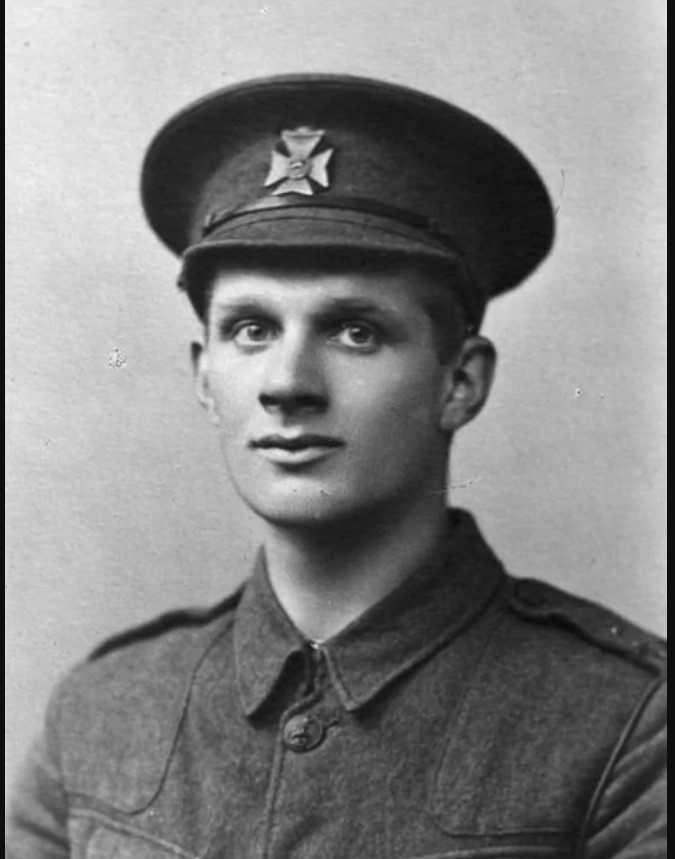
Coles was Scottish. He was a great friend of Gustav Holst, who kept in touch with Coles throughout the younger man’s active service in Europe. Coles continued to compose even while in the field. His final composition, the four-movement orchestral suite Behind the Lines, was composed in 1917, and he sent drafts of the scores for two of the movements to Holst.
John Purser says that Coles signed up for the service in 1915, and spent most of his time in France in the midst of the terrible fighting: “And despite it all, Coles kept composing, including . . . Behind the Lines. At the end Coles has written ‘Feb 4th 1918 In the Field’. . . . Two months later, aged only twenty-nine, he was dead. He had volunteered to help bring in some casualties from a wood, and on their return two of the stretcher-bearers were killed and Coles was mortally wounded. Fortunately, he appears to have been unaware of the seriousness of his injuries, humming a little Beethoven and asking whether his piano-playing would be affected.”
It is incredibly difficult to find recordings of any of Coles’s music. The few that I could find of “Cortège” are frankly pretty uninspiring. The best is an orchestral arrangement by Orlando Gough, which was used for the opening credits of the Channel Four series The First World War.
My classical music post for today is the second movement of Behind the Lines, “Cortège,” by Cecil Coles.


Leave a Reply